Classical music in Edinburgh - venues, choirs and what to look out for
Where Edinburgh actually sounds best: the halls, chapels and ensembles worth planning around.
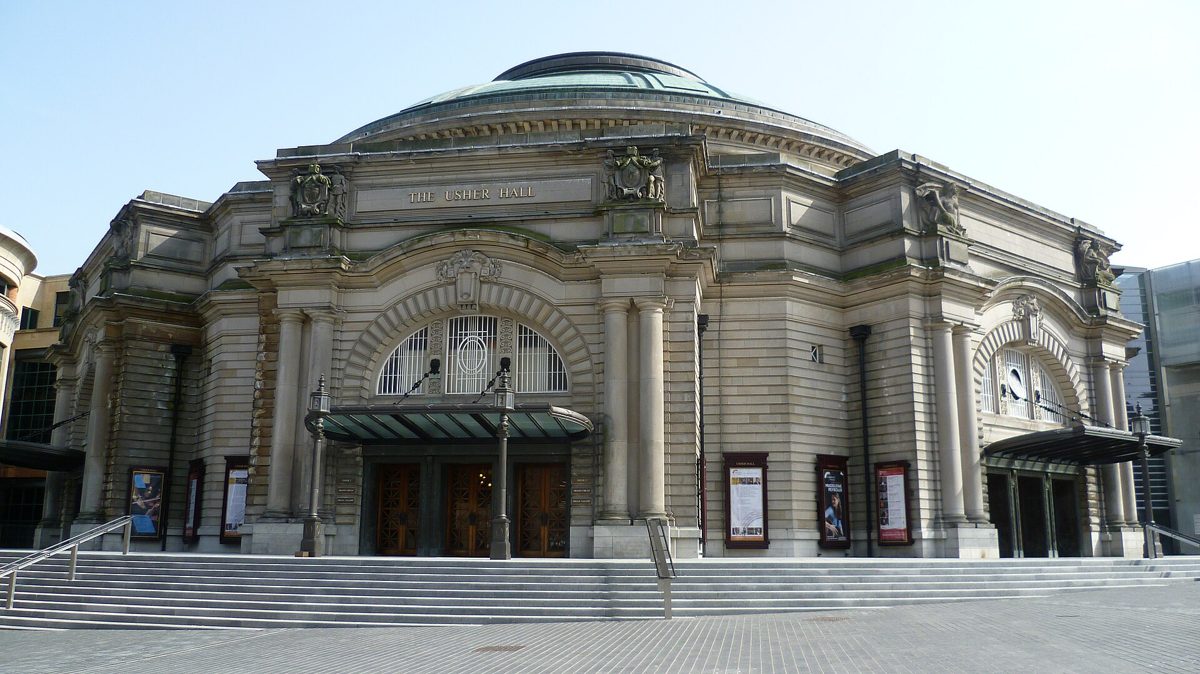
Edinburgh offers a vibrant classical music experience across its historic venues, from grand concert halls to intimate churches. Key institutions like the Usher Hall, Queen's Hall, and the Scottish Chamber Orchestra provide diverse programming year-round, significantly enhanced by the annual Edinburgh International Festival.
The Usher Hall
The Usher Hall, opened in 1914, stands as Edinburgh's premier large-scale concert venue. This Grade A listed building, located on Lothian Road, is an architectural landmark known for its distinctive circular plan and Edwardian Baroque detailing. It serves as the primary stage for major orchestral concerts, visiting international soloists, and grand choral performances, embodying the city's commitment to world-class musical artistry.
Its acoustic character is widely celebrated. The hall possesses a warm, clear, and resonant sound, particularly well-suited for the expansive demands of large orchestral works. The circular design contributes to excellent sightlines from most of its 2,900 seats, ensuring an immersive experience for the audience. The atmosphere within is grand and formal, reflecting its status as a distinguished cultural institution. The Usher Hall has hosted countless legendary figures, from Stravinsky and Sibelius to contemporary maestros, cementing its reputation on the global classical circuit.
The programming at the Usher Hall consistently features large-scale symphonic repertoire. It regularly welcomes major international orchestras, such as the London Symphony Orchestra, the Royal Concertgebouw Orchestra, and the Mariinsky Orchestra, presenting works by composers like Mahler, Bruckner, and Shostakovich. Concertos with world-renowned soloists, grand choral performances of works like Verdi's Requiem or Bach's Mass in B minor, and opera-in-concert presentations are also staples. During the Edinburgh International Festival, the Usher Hall becomes the focal point for the festival's most significant orchestral and large-scale vocal events, attracting artists and audiences from across the globe.
The Queen's Hall
Nestled in the heart of the Newington area, The Queen's Hall offers a contrasting, more intimate classical music experience compared to the grandeur of the Usher Hall. Originally built in 1788 as St. Cuthbert's Chapel and later transformed into a concert venue in 1979, this former Georgian church retains much of its original character while providing a modern, flexible performance space. It is the cherished home of the Scottish Chamber Orchestra and a vital hub for chamber music in the city.
The hall's acoustic is a significant asset: dry, immediate, and remarkably clear, it is ideally suited for chamber music, solo recitals, and smaller ensembles. The converted church setting creates a unique, close-up environment, fostering a strong, direct connection between performers and audience members. With a capacity of around 900 seats, every performance at The Queen's Hall feels personal and engaging, allowing for a deep appreciation of musical nuance and instrumental detail that might be lost in a larger venue. The architectural details, such as the original stained-glass windows, add to its distinctive charm.
The Queen's Hall excels in programming that benefits from its intimate scale and superb acoustic. This includes performances by chamber orchestras, such as its resident Scottish Chamber Orchestra, as well as string quartets, piano and vocal recitals, and early music ensembles. Contemporary classical works also find a natural home here, where their intricate textures can be fully appreciated. The Edinburgh International Festival frequently uses The Queen's Hall for its chamber and vocal recital series, providing a platform for world-leading artists in a perfectly suited environment. Beyond classical, its versatility also extends to jazz and folk music.
St Mary's Episcopal Cathedral
St Mary's Episcopal Cathedral, located in the West End of Edinburgh, is a magnificent example of Victorian Gothic architecture, consecrated in 1879. As the mother church of the Scottish Episcopal Diocese of Edinburgh, it is primarily a place of worship, but its soaring interior and unique acoustic properties make it a significant venue for classical music, particularly for choral and organ performances. Designed by Sir George Gilbert Scott, its imposing spires and elaborate stonework are instantly recognisable.
The cathedral's interior is characterised by its vast scale, high vaulted ceilings, and extensive use of stone, all contributing to a long, natural reverberation. This acoustic quality creates a rich, resonant soundscape, which is particularly powerful and immersive for certain types of music. The atmosphere within is solemn, majestic, and awe-inspiring, enhancing the spiritual and communal aspects of musical performance. The sound washes over the listener, creating a sense of grandeur and timelessness that few other venues can replicate.
St Mary's Episcopal Cathedral is best suited for programming that capitalises on its expansive acoustic. This primarily includes choral music, both a cappella and with organ accompaniment, where the reverberation adds depth and luminosity to the voices. Sacred music, large-scale vocal works, and organ recitals-showcasing the cathedral's impressive instrument-are regular features. Early music ensembles, especially those performing Renaissance or Baroque repertoire with a focus on vocal textures, can also thrive in this environment. The cathedral's resident choir is highly regarded and frequently performs within its walls, maintaining a strong tradition of church music. The Edinburgh International Festival occasionally features events here, often utilising its unique atmosphere for specific programmes.
The Scottish Chamber Orchestra (SCO)
The Scottish Chamber Orchestra, founded in 1974, stands as one of Scotland's two national orchestras. Comprising around 35 full-time professional musicians, the SCO is celebrated for its versatility, precision, and vibrant performances. While it is a chamber orchestra in name and core repertoire, its size can be flexibly expanded to suit a broader range of musical demands, allowing it to tackle a diverse and ambitious programme.
The SCO maintains a distinct musical character: agile, articulate, and deeply engaging. Its musicians are known for their individual artistry and collective cohesion, producing performances that are both meticulously crafted and full of expressive warmth. The orchestra's commitment to collaboration with leading international soloists and conductors further elevates its artistic output. They are not merely interpreters of established works but also active participants in shaping the future of classical music, regularly commissioning and premiering new compositions.
The orchestra's programming showcases its strengths across various periods. It excels in the symphonies and concertos of the Baroque and Classical eras-think Bach, Handel, Mozart, and Haydn-where the clarity and precision of a chamber orchestra truly shine. However, the SCO's repertoire extends far beyond this, embracing Romantic works, 20th-century masterpieces, and a strong emphasis on contemporary classical music. They frequently present new commissions from living composers, demonstrating a forward-looking artistic vision. Beyond their regular season at The Queen's Hall, the SCO tours extensively across Scotland and internationally, bringing high-quality classical music to a wide audience.
The Edinburgh International Festival (EIF)
The Edinburgh International Festival, established in 1947, is an annual, three-week cultural event held every August. Conceived in the aftermath of World War II, its founding principle was to "provide a platform for the flowering of the human spirit" and bring together artists and audiences from around the world. It presents a meticulously curated programme spanning classical music, opera, theatre, and dance, transforming Edinburgh into a global cultural capital for its duration.
The EIF is not confined to a single venue but rather animates multiple key locations across the city, including the Usher Hall, The Queen's Hall, and St Mary's Episcopal Cathedral, alongside various theatre spaces. During the festival, Edinburgh pulsates with an extraordinary energy, as streets are filled with visitors and venues host back-to-back performances. The character of the EIF is defined by its unwavering commitment to artistic excellence, presenting only the highest calibre of international talent. It is a period of intense cultural immersion, offering unparalleled opportunities to experience world-leading artists in a concentrated timeframe.
The classical music programme of the EIF is unparalleled in its scope and ambition. It consistently features the world's leading orchestras, such as the Berlin Philharmonic, the Chicago Symphony Orchestra, and the Leipzig Gewandhaus Orchestra, often under the baton of legendary conductors. World-renowned soloists and vocal ensembles are staples, performing a broad repertoire from Baroque to contemporary. Major opera productions, often featuring international companies and star singers, are a highlight. The festival is also a significant platform for ambitious choral works and the premiere of new contemporary music, ensuring a dynamic and forward-looking element to its classical offerings. Securing tickets for popular events requires early booking, as performances often sell out rapidly.
Navigating Edinburgh's Classical Music Landscape
Edinburgh's classical music scene offers a breadth of experiences, from the grandeur of international orchestras to the intimacy of chamber recitals. Engaging with this vibrant landscape provides continuous opportunities for musical discovery and appreciation.
To make the most of Edinburgh's classical music offerings: Check venue websites directly for the most up-to-date schedules, programme details, and booking information. Consider pre-concert talks, often offered by the Scottish Chamber Orchestra and during the Edinburgh International Festival, for deeper insights into the music and composers. Explore beyond the main venues; many smaller churches and community halls host excellent local recitals and concert series throughout the year. Dress code is generally smart casual, though the EIF and grander performances at the Usher Hall might encourage more formal attire, if preferred.
The year-round presence of ensembles like the Scottish Chamber Orchestra, coupled with the annual explosion of the Edinburgh International Festival, ensures that high-quality classical music is always within reach for residents and visitors alike.
Frequently asked questions
How can I best experience the Edinburgh International Festival's classical music programme?
To fully appreciate the EIF's classical music offerings, strategic planning is essential. The festival programme is announced several months in advance, and tickets for popular concerts, especially those featuring world-renowned orchestras or soloists, sell out quickly. Prioritise your interests, whether it is specific conductors, particular repertoire, or the opportunity to see a certain international ensemble. Consider a balanced approach, mixing grand orchestral performances at the Usher Hall with more intimate chamber and vocal recitals at The Queen's Hall to experience the full breadth of the festival's artistic vision. Many events also feature insightful pre-concert talks.
Is classical music accessible to newcomers in Edinburgh?
Absolutely. Edinburgh's classical music scene is very welcoming to newcomers. Venues like The Queen's Hall, with its relaxed yet acoustically superb atmosphere, are excellent starting points. The Scottish Chamber Orchestra often presents programmes designed to introduce audiences to classical music, sometimes incorporating engaging spoken introductions from conductors or musicians that demystify the works being performed. The Edinburgh International Festival also offers a wide range of styles, from familiar masterpieces that resonate with many to accessible contemporary works. The key is to simply attend and enjoy the live experience; there's no need to feel pressured to understand every nuance immediately.
What kind of music can I expect from the Scottish Chamber Orchestra?
The Scottish Chamber Orchestra is celebrated for its versatility and the breadth of its repertoire. While their core strength lies in the Baroque and Classical periods-encompassing the works of composers such as Bach, Handel, Mozart, and Haydn-they are also passionate champions of new music. The SCO regularly commissions and performs works by living composers, ensuring their programmes are vibrant and forward-looking. Their concerts often feature celebrated guest soloists and conductors, and their performances can range from intimate chamber pieces to larger works requiring an expanded orchestral setting, making their concert seasons diverse and engaging for all musical tastes.
This is an independent member's guide compiled by Edinburgh Society. We are not affiliated with the venues and institutions mentioned; opening arrangements and programmes change - always confirm details on the official websites before making plans.
← Back to Events