Free things to do in Edinburgh - a member's guide
A city's character is often in what it gives away: the best of Edinburgh at no cost.
Edinburgh's Free Wonders: A Member's Guide Edinburgh offers a wealth of world-class experiences without an admission fee, providing enriching insights into art, history, and nature. Visitors can explore ancient artifacts, iconic European masterpieces, and breathtaking city vistas, making the city accessible to all. These institutions and natural landmarks showcase Scotland's heritage and global contributions, all free of charge. Edinburgh, a city etched into volcanic rock and history, presents an array of free attractions that rival paid experiences elsewhere. From the ancient to the avant-garde, and from panoramic natural beauty to meticulously curated collections, the Scottish capital invites discovery without cost. This guide highlights the premier free destinations, ensuring a memorable visit.
National Museum of Scotland
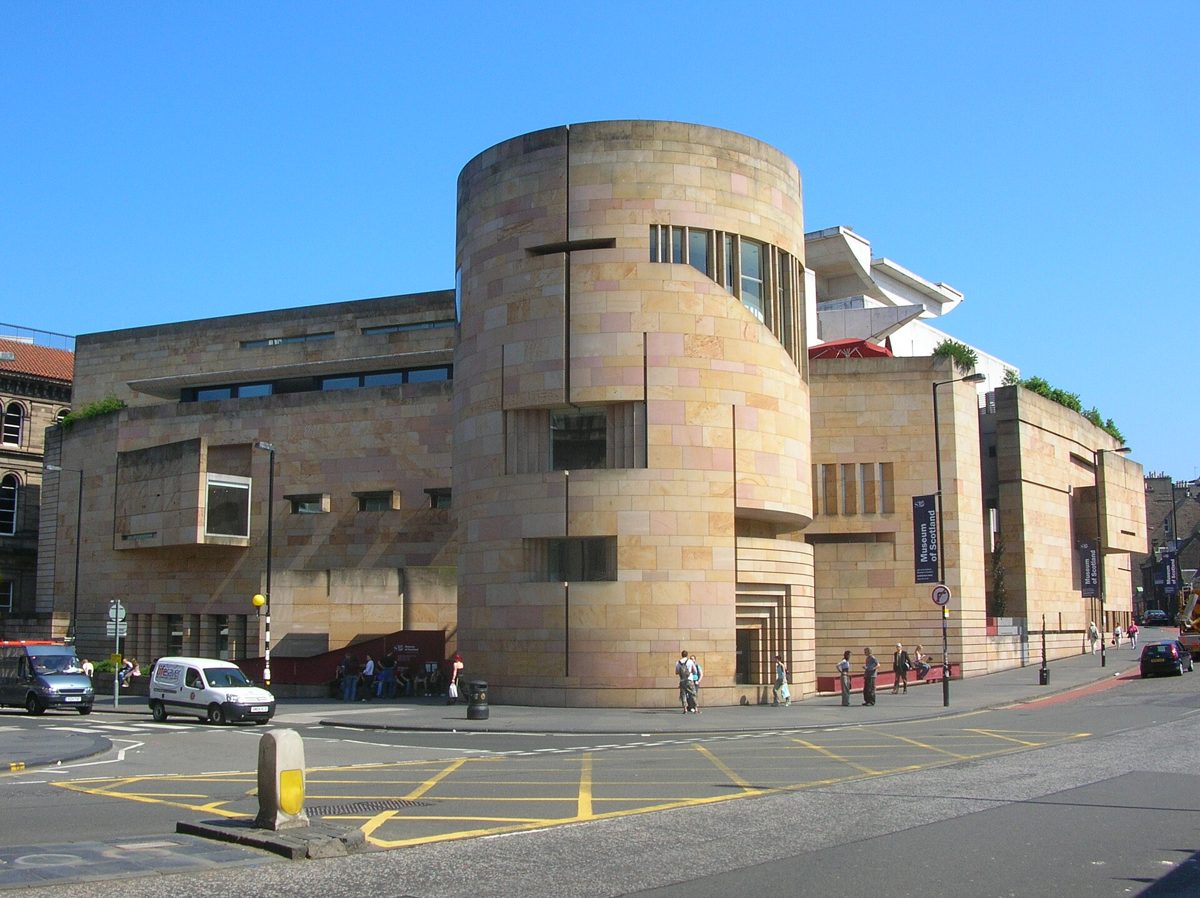
The National Museum of Scotland, located on Chambers Street, offers an expansive journey through Scotland's natural history, cultural heritage, and global connections. The museum's diverse collections span multiple floors, housed within both a grand Victorian structure and a modern extension. You actually see everything from geological formations and dinosaur skeletons to prehistoric artifacts, Roman finds, and the story of Scottish nationhood. Key exhibits include the intricate Lewis Chessmen, a collection of 12th-century Norse chess pieces found on the Isle of Lewis, and the preserved remains of Dolly the sheep, the first mammal cloned from an adult somatic cell. The Scottish galleries detail the country's past from its earliest inhabitants to the present day, while the world cultures galleries display items from ancient Egypt, Oceania, and East Asia. The natural history section features impressive taxidermy and interactive displays on evolution and biodiversity.
This museum is worth the time because it provides a comprehensive, engaging narrative of Scotland's place in the world, both naturally and culturally. Its interactive displays cater to all ages, and the sheer breadth of its collections means there is something to captivate every interest. The architecture itself, particularly the Grand Gallery with its soaring ceiling and natural light, is a sight to behold, offering a magnificent space to wander and reflect. The museum's free permanent collections make it an essential stop for understanding Scotland's rich legacy.
Scottish National Gallery
Positioned centrally on The Mound, the Scottish National Gallery houses Scotland's national collection of fine art, spanning from the early Renaissance to the late 19th century. Within its elegant neoclassical building, you actually see an impressive array of European masterpieces alongside significant works by Scottish artists. The collection includes paintings by Old Masters such as Raphael's "The Bridgewater Madonna," Titian's "Diana and Actaeon" and "Diana and Callisto," and El Greco's "Saint Jerome in Penitence." Dutch Golden Age painting is represented by artists like Rembrandt and Vermeer, while French Impressionism features works by Monet and Degas. A substantial part of the gallery is dedicated to Scottish art, showcasing figures like Henry Raeburn, Allan Ramsay, and the Scottish Colourists, providing insight into the nation's artistic contributions.
This gallery is worth the time for its world-class collection presented in an accessible, chronological manner. It offers a concise yet thorough education in European art history, allowing visitors to appreciate the evolution of painting styles and themes across centuries. Its central location makes it easy to incorporate into any Edinburgh itinerary, and the opportunity to view iconic works by some of history's most celebrated artists without charge is an unparalleled cultural offering. The gallery provides an enriching experience for both art aficionados and casual observers.
Scottish National Portrait Gallery
Located on Queen Street, the Scottish National Portrait Gallery is housed in a striking Victorian Gothic building designed by Robert Rowand Anderson. This gallery is dedicated to the history of Scotland through the portraits of its most significant figures. You actually see an extensive collection of portraits, photographs, and sculptures depicting famous Scots throughout history, from royalty and politicians to poets, scientists, and artists. Figures like Mary Queen of Scots, Robert Burns, Sir Walter Scott, and Bonnie Prince Charlie are represented, alongside more contemporary personalities. The gallery's permanent displays explore themes of Scottish identity, power, and culture, often through the lens of specific historical periods or social movements. The building's interior, with its ornate ceilings and murals depicting scenes from Scottish history, is itself a work of art.
This gallery is worth the time because it offers a unique and engaging way to understand Scottish history and culture. By focusing on individuals, it humanizes historical narratives and provides a personal connection to the past. The architectural splendor of the building enhances the experience, making the visit not just about the art, but also about the space it occupies. It's often less crowded than the main National Gallery, allowing for a more intimate and reflective viewing experience of Scotland's heroes and heroines.
Scottish National Gallery of Modern Art
The Scottish National Gallery of Modern Art is split across two buildings-Modern One and Modern Two-on Belford Road, set in expansive grounds. These galleries present modern and contemporary art from the late 19th century to the present day. Modern One: You actually see a significant collection of international modern art, including works by Picasso, Matisse, Dalí, and Lichtenstein. The gallery also features a robust collection of Scottish art from the same period, with artists like Francis Campbell Boileau Cadell and Samuel John Peploe. The grounds surrounding Modern One are home to Charles Jencks' "Landform," a dramatic, sculpted earthwork that integrates art with landscape architecture, and various outdoor sculptures by artists such as Henry Moore and Barbara Hepworth. Modern Two: Housed in a former hospital building, Modern Two often focuses on Dada and Surrealism, with works by artists like René Magritte and Joan Miró. It also presents works by Scottish artists, notably Eduardo Paolozzi, whose large-scale sculptures are prominent both inside and outside the building. The gallery often features temporary displays drawn from the permanent collection, offering different perspectives on modern art movements.
These galleries are worth the time for their comprehensive exploration of modern and contemporary art, both Scottish and international. The outdoor sculpture park at Modern One provides a unique opportunity to engage with art in a natural setting. The distinct focus of each building allows for varied experiences, from the bold statements of international modernism to the often more conceptual and experimental works found at Modern Two. The peaceful surroundings, just a short walk from the city centre, offer a refreshing contrast to the urban bustle.
Arthur's Seat - A Geological Icon
Arthur's Seat, the main peak of the group of hills in Holyrood Park, stands proudly overlooking Edinburgh. It is an ancient volcano, offering a wild, windswept slice of highland landscape within the city limits. You actually see a breathtaking 360-degree panorama of Edinburgh, the Firth of Forth, and the surrounding Lothians. The climb itself reveals diverse geological features, including the dramatic Salisbury Crags, volcanic lava flows, and ancient sedimentary rocks. The path takes you through varied terrain, from grassy slopes to rocky outcrops, home to local flora and fauna. On a clear day, views extend for miles, encompassing landmarks like Edinburgh Castle, the Scott Monument, and the distant Pentland Hills.
The climb up Arthur's Seat is worth the time for several compelling reasons: Unparalleled Vistas: The summit provides the best free views of Edinburgh, offering a unique perspective on the city's layout and historical landmarks. Physical Activity: It's an invigorating walk or hike, providing a welcome dose of nature and exercise. Geological Wonder: It's a prime example of an extinct volcano, allowing for direct engagement with geological history. Historical Significance: The hill has a rich history, with archaeological evidence of ancient hillforts and medieval fortifications.
The experience of reaching the summit and absorbing the expansive views is deeply rewarding, connecting visitors to Edinburgh's natural origins and providing a sense of achievement.
Frequently asked questions
How much time should I allocate for each museum or gallery?
For the National Museum of Scotland, plan at least two to three hours to explore its extensive collections properly. The Scottish National Gallery and the Scottish National Portrait Gallery can each be enjoyed in one to two hours, focusing on key works. For the Scottish National Gallery of Modern Art, allow two to three hours to visit both Modern One and Modern Two, including time for the outdoor sculptures and the walk between them. These estimates allow for a relaxed pace without rushing.
Are there any free guided tours available at these institutions?
Many of Edinburgh's national galleries and museums offer free permanent collection tours led by volunteers or staff. These are typically scheduled at specific times during the day, often once or twice daily. It's advisable to check the respective institution's website or inquire at the information desk upon arrival for current schedules. These tours provide valuable insights and context that enhance the viewing experience, highlighting specific works or themes.
Is the climb up Arthur's Seat suitable for everyone?
The climb up Arthur's Seat varies in difficulty depending on the chosen path. The main path from Dunsapie Loch is generally less strenuous, offering a more gradual ascent. However, the final sections to the summit involve steeper, rockier terrain. While no special equipment is needed, sturdy footwear is highly recommended. Individuals with mobility issues or very young children might find the summit ascent challenging, but there are many enjoyable, less demanding walks within Holyrood Park itself, offering views of the Salisbury Crags and Arthur's Seat from below.
This is an independent member's guide compiled by Edinburgh Society. We are not affiliated with the venues and institutions mentioned; opening arrangements and programmes change - always confirm details on the official websites before making plans.
← Back to Events