Historic pubs of Edinburgh - a member's guide
Old rooms with real history: the Edinburgh pubs where the building is part of the story.
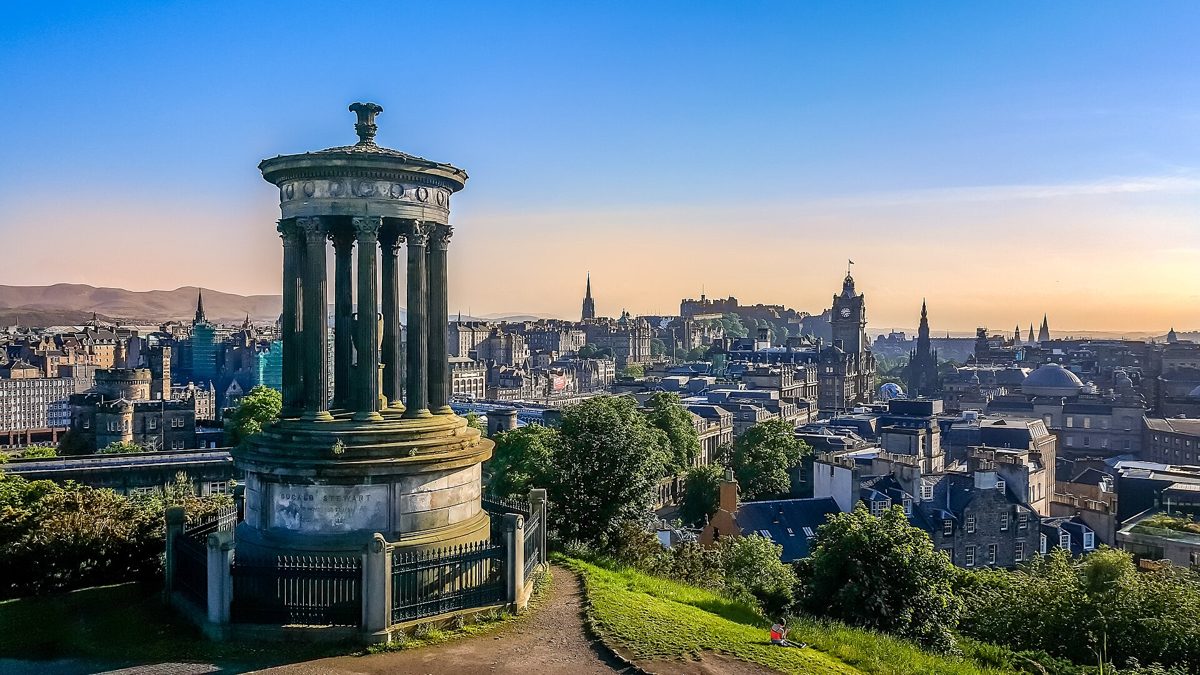
Edinburgh's Ancient Drinking Houses Edinburgh's historic pubs offer a tangible link to the city's past, each with unique stories woven into their very fabric. This guide explores four iconic establishments-the Sheep Heid Inn, The Oxford Bar, The Café Royal, and The Bow Bar-detailing their architectural heritage, distinct interiors, and the notable figures and traditions that have shaped their enduring legacies for centuries. Edinburgh's old town and new town are dotted with public houses that have served locals and visitors for generations. These aren't just places to drink; they are repositories of history, architectural marvels, and settings for countless unwritten stories. To step into one is to engage with a continuous narrative stretching back hundreds of years, offering a glimpse into the social life of a city that has always valued its communal spaces for refreshment, debate, and camaraderie.
The Sheep Heid Inn, Duddingston
Nestled in the picturesque village of Duddingston, just a short distance from Arthur's Seat, The Sheep Heid Inn lays claim to being Scotland's oldest surviving public house, with records suggesting its existence as far back as 1380. The original structure, likely a simple alehouse, would have served travelers and villagers for centuries. While the current building incorporates older elements, it has seen various expansions and renovations over the centuries, reflecting changing architectural styles from its medieval origins to its modern-day appearance. The building's evolution mirrors the history of Scottish hospitality itself, adapting to new eras while retaining its core function.
The interior of The Sheep Heid Inn retains a warm, traditional character. Its various rooms feature exposed stone walls, dark timber beams, and welcoming open fires, creating a series of intimate spaces that invite patrons to linger. Perhaps its most distinctive feature, and a rare survival, is the pub's original Victorian skittle alley. Tucked away at the back, this narrow, wooden-floored room with its simple pins and ball return system offers a direct link to a bygone era of pub entertainment. Patrons can still try their hand at a game that predates modern bowling, using wooden balls to knock down nine pins, a tradition that has delighted visitors for generations. The main bar area, with its antique furnishings, polished brass, and a collection of historic photographs, exudes a profound sense of continuity.
The Sheep Heid Inn is documented to have hosted numerous notable figures throughout its long history. Mary Queen of Scots is said to have rested here on her travels from Holyrood Palace to Craigmillar Castle, playing skittles in the alley with her courtiers in the mid-16th century. King James VI of Scotland, later James I of England, reputedly stopped here for refreshment in the early 17th century, presenting the landlord with a decorative ram's head snuff box-a possible origin for the pub's unusual name, "Sheep Heid," reflecting the ram's head. Later, literary giants like Robert Burns, author of "Tam o' Shanter," and Robert Louis Stevenson, who penned "Treasure Island" and "Kidnapped," are linked to the inn, finding inspiration and solace within its walls. Stevenson, a native of Edinburgh, would have appreciated such historical local haunts for their atmosphere and storytelling potential. These associations underscore its status as a historical landmark.
The Oxford Bar
The Oxford Bar stands as a quintessential New Town pub, unassuming from the exterior yet deeply significant to many. Located on Young Street, it occupies the ground floor of a robust Victorian tenement building, a common architectural arrangement for pubs in Edinburgh's Georgian and Victorian new town developments. Its construction dates to the late 19th century, designed to serve the local residents and workers of the area, providing a no-nonsense watering hole away from the grander establishments. The building itself is typical of the solid, functional architecture of the period, built to last and blend into the residential streetscape.
Inside, The Oxford Bar is celebrated for its unpretentious, no-frills atmosphere. It consists primarily of two small, wood-paneled rooms, separated by a central bar. The decor is minimal, focusing on functionality and comfort rather than elaborate embellishment. Original features like the dark wood bar, simple bench seating, and a distinct lack of modern distractions-there's no television, jukebox, or background music-define its character. This deliberate simplicity cultivates an environment conducive to quiet conversation, making it a favorite among those seeking a genuine, traditional pub experience where the focus is on good company and good drink. The lighting is often dim, adding to its intimate and timeless feel, fostering a sense of camaraderie among its patrons.
The Oxford Bar is inextricably linked to the world of Scottish crime fiction. It is famously the preferred haunt of Detective Inspector John Rebus, the protagonist in Ian Rankin's best-selling novels. Rankin himself is a known patron of the pub, and its authentic, slightly gritty atmosphere perfectly complements Rebus's character, providing a familiar backdrop for his often-brooding thoughts. Numerous scenes in the Rebus series, from "Knots and Crosses" to "Black & Blue" and beyond, are set within its walls, detailing the detective's contemplative moments over a pint of Deuchars IPA. This documented literary association has elevated The Oxford Bar from a local's pub to an international pilgrimage site for fans of the series, drawing visitors eager to experience Rebus's world firsthand and perhaps even catch a glimpse of Rankin himself.
The Café Royal
The Café Royal, situated on West Register Street, is an outstanding example of Victorian architectural grandeur. Originally built in 1863 as an opulent oyster bar and restaurant for the adjacent Royal British Hotel, it later became independent. The building itself was a former bank and was transformed into this lavish establishment, reflecting the prosperity and ornate tastes of the mid-Victorian era. Its design draws heavily on French Second Empire aesthetics, characterized by its grand scale, classical detailing, and a palatial feel unique among Edinburgh's pubs, a stark contrast to the more utilitarian public houses of the time.
The interior of The Café Royal is its most striking feature, a meticulously preserved Victorian masterpiece. The main bar area boasts a magnificent island bar, around which patrons gather, surrounded by an array of intricate decorations. The walls are adorned with stunning ceramic tile murals depicting historical Scottish figures like Robert Burns, Sir Walter Scott, and engineer James Watt, alongside ornate stained-glass windows that cast colorful light into the room, often featuring allegorical scenes or crests. Above, a grand ceiling with elaborate plasterwork, gilded accents, and a central dome completes the lavish scene. The detailed craftsmanship in the mosaic floors, the polished dark wood, and the gleaming brass fittings all contribute to an atmosphere of refined elegance, setting it apart from more rustic pubs.
Historically, The Café Royal was renowned for its fresh oysters, sourcing them directly from the pristine waters of the Firth of Forth. This tradition established its reputation as a premier dining and drinking establishment for Edinburgh's affluent society, where discerning patrons could enjoy fresh seafood and fine wines. Its architectural significance and preserved Victorian splendor are its primary documented associations, marking it as a historical landmark. It represents a period when public houses could be as grand and artistic as any other civic building, reflecting the era's design sensibilities and the desire for public spaces to be both functional and beautiful. The pub's enduring appeal lies in this combination of historical authenticity and visual spectacle, offering a glimpse into a more extravagant past.
The Bow Bar
Located on Niddry Street in the heart of the Old Town, The Bow Bar is a classic Edinburgh pub, a reflection of the city's enduring pub culture. Housed within a traditional Victorian building, its exterior is modest, blending seamlessly into the historic streetscape of the Old Town, with its narrow closes and ancient tenements. Like many of its contemporaries, it was established in a period when such public houses served as essential social hubs for local communities, providing refreshment and camaraderie after a day's work. The building's age contributes to its established character, reflecting centuries of continuous use as a place of gathering.
The interior of The Bow Bar is small and traditional, characterized by its long, polished wooden bar and an impressive gantry behind it, laden with a vast selection of whiskies. The decor is understated, featuring dark wood paneling, comfortable banquette seating, and a generally uncluttered aesthetic that emphasizes the quality of its offerings rather than ostentation. The focus here is squarely on the drinks and conversation. The compact size fosters a convivial atmosphere, making it easy to engage with fellow patrons or the knowledgeable bar staff, who are always ready to offer recommendations. It's a pub designed for serious appreciation of its beverages, a true connoisseur's haven.
The Bow Bar is widely known and documented for its exceptional selection of real ales and single malt whiskies. It has consistently featured in CAMRA's Good Beer Guide for its dedication to well-kept cask ales, establishing it as a destination for real ale enthusiasts seeking well-maintained Scottish craft beers from breweries like Harviestoun or Stewart Brewing, alongside more traditional offerings. Similarly, its extensive and carefully curated whisky collection-often exceeding 300 different malts from every region of Scotland, including rare and limited editions-has earned it a stellar reputation among whisky connoisseurs. Its association is built on this unwavering commitment to quality and variety in its drink offerings, making it a specialist pub that attracts patrons specifically for its expertly chosen beverages, a haven for those seeking the finest of Scotland's liquid heritage.
Enduring Character of Edinburgh's Public Houses
Edinburgh's historic pubs, whether grand or humble, share a common thread: their ability to preserve a sense of time and place. They are more than just buildings; they are living museums of social history, continuing to serve their communities with character and tradition. The experience of visiting these establishments offers a tangible connection to the city's past, providing insight into the daily lives, celebrations, and quiet moments that have unfolded within their walls for centuries.
These pubs stand out for several key distinctions: Architectural Heritage: Each building showcases distinct historical styles, from medieval elements to grand Victorian designs. Preserved Interiors: Many retain original features, offering authentic glimpses into past eras of design and functionality. Documented Associations: Links to royalty like Mary Queen of Scots, literary figures such as Robert Burns and Ian Rankin, and significant cultural traditions are common. Community Hubs: They have consistently served as vital social gathering places, fostering local community and camaraderie over generations. Craft Beverage Focus: Many are celebrated for their commitment to real ale and whisky, often housing extensive, expertly curated collections.
Frequently asked questions
What makes a pub "historic" in Edinburgh?
A pub is generally considered historic in Edinburgh if it has been operating continuously for a significant period, often centuries, and retains much of its original character, architecture, or has documented associations with notable historical events or figures. This is not just about age, but also about the preservation of its heritage and its place in the city's social fabric. Buildings that have undergone minimal or sensitive modernization while maintaining their traditional layout and features are particularly valued for their authenticity.
Are these pubs difficult to find or access?
The pubs mentioned in this guide are all located within Edinburgh and are accessible to the public. The Sheep Heid Inn is in Duddingston village, a short journey from the city center by bus or taxi, while The Oxford Bar, The Café Royal, and The Bow Bar are centrally located within the Old and New Towns, easily reachable on foot from major landmarks. Access typically involves walking through historic streets, and while some are on main thoroughfares, others are tucked away on quieter lanes, adding to their charm and the sense of discovery.
What is the significance of a pub's gantry?
A gantry in a pub refers to the shelving structure behind the bar, typically made of wood, where bottles of spirits, particularly whiskies, are displayed. Its significance in historic Scottish pubs, especially one like The Bow Bar, lies in its craftsmanship and the sheer volume and variety of bottles it can hold. A well-stocked and well-maintained gantry is a visual indicator of a pub's commitment to its spirit selection, often showcasing rare or extensive collections of whiskies, reflecting a tradition of expertise in fine beverages and a dedication to offering a wide choice to patrons.
This is an independent member's guide compiled by Edinburgh Society. We are not affiliated with the venues and institutions mentioned; opening arrangements and programmes change - always confirm details on the official websites before making plans.
← Back to Events