Literary Edinburgh - bookshops, libraries and reading rooms worth your time
Independent bookshops, historic libraries and reading spots of Edinburgh: a literary walking companion for members.
Edinburgh: A City Forged in Literature Edinburgh, a city etched in stone and story, offers a journey through the pages of literary history. From the cobbled closes that inspired Robert Louis Stevenson to the cafes where J.K. Rowling penned her early drafts, Scotland's capital is a living library. It's a place where every street corner whispers tales, inviting visitors to explore its famous bookshops, historic institutions, and monuments celebrating literary giants. Edinburgh, crowned the world's first UNESCO City of Literature in 2004, is undeniably a haven for book lovers. Its dramatic landscape, gothic architecture, and intellectual heritage have fostered centuries of creativity. This city doesn't just host literature; it breathes it, offering an immersive experience for anyone eager to connect with the written word. This designation acknowledges not only its rich past but also its dynamic contemporary literary scene, including its world-renowned festivals and thriving independent bookshops.
Iconic Bookshops - A Reader's Paradise
Edinburgh boasts a vibrant independent bookshop scene, each with its own character and curated selection. These are not just retail spaces; they are community hubs and places of discovery. Topping & Company Booksellers of Edinburgh: Located near the Meadows, this elegant bookshop is a true gem. With its towering shelves, rolling ladders, and complimentary tea or coffee, it invites hours of browsing. Topping & Company hosts frequent author events, bringing writers from around the globe to its welcoming space. Its extensive, thoughtfully chosen stock covers a vast array of genres, from classic fiction to cutting-edge non-fiction and poetry, making it a destination for serious readers and casual browsers alike. Armchair Books: Tucked away in the historic Grassmarket, Armchair Books is a beloved second-hand institution. Its labyrinthine interior, with stacks of books reaching the ceiling and narrow, winding aisles, feels like stepping into a literary treasure chest. It's the kind of place where you stumble upon unexpected finds, from rare first editions to forgotten paperbacks, and lose track of time, a true paradise for collectors and casual browsers alike. The Edinburgh Bookshop: Situated in the charming Bruntsfield area, this independent bookshop is known for its warm atmosphere and strong community focus. It offers a carefully selected range of new titles, children's books, and local interest publications. The Edinburgh Bookshop often hosts local author events and reading groups, cementing its role as a focal point for the neighborhood's literary life, fostering a genuine sense of community among readers. Lighthouse - Edinburgh's Radical Bookshop: On Nicolson Street, Lighthouse stands out with its commitment to social justice, activism, and diverse voices. This bookshop isn't just about selling books; it's about fostering conversation and change. Its shelves are filled with titles on feminism, LGBTQ+ issues, anti-racism, environmentalism, and political theory, making it an essential space for progressive thought, dialogue, and community engagement, challenging readers to think critically. Typewronger Books: A unique independent bookshop on Leith Walk, Typewronger Books specializes in independent presses, small publishers, and zines. True to its name, it also champions the art of typewriting, often featuring vintage typewriters and related events, encouraging a tactile connection with the written word. It offers a distinct, curated experience for those seeking something beyond the mainstream, emphasizing craft and independent voices.
Historic Libraries and Literary Institutions
Edinburgh's commitment to literature extends to its impressive libraries and institutions, which preserve and promote Scotland's rich written heritage. National Library of Scotland: As one of the UK's six legal deposit libraries, the National Library of Scotland holds an extraordinary collection of over 30 million items. Located on George IV Bridge, it houses everything from medieval manuscripts to contemporary Scottish literature. Its vast archives include personal papers of figures like Muriel Spark (author of "The Prime of Miss Jean Brodie") and the John Murray publishing archive (which includes correspondence from Lord Byron and Charles Darwin), offering unparalleled resources for researchers and a fascinating glimpse into Scotland's intellectual history. The library regularly hosts exhibitions, making its treasures accessible to the public and showcasing its diverse holdings, from ancient maps to modern literary manuscripts. Writers' Museum: Hidden down Lady Stair's Close on the Royal Mile, the Writers' Museum is a captivating tribute to three of Scotland's most celebrated literary figures - Robert Burns, Sir Walter Scott, and Robert Louis Stevenson. Housed in a 17th-century building, Lady Stair's House, it displays portraits, manuscripts, and personal belongings, including Burns's desk where he composed some of his famous poems, Scott's printing press used for his Waverley novels, and Stevenson's riding boots and childhood toys, which hint at the imaginative world of "Treasure Island" and "Kidnapped." It provides an intimate look into the lives and works of these literary giants, bringing their stories to life within the historic setting. Edinburgh University Library: While the main library at George Square is a modern facility, the University of Edinburgh itself has a profound literary legacy. Many renowned writers have studied or taught here, including Robert Louis Stevenson (who studied engineering and law), Sir Arthur Conan Doyle (who studied medicine and later drew inspiration from his professor, Dr. Joseph Bell, for Sherlock Holmes), and J.M. Barrie (creator of Peter Pan). The university's special collections hold rare books, manuscripts, and archives relevant to Scottish literature, connecting current scholarship to centuries of intellectual endeavor and nurturing future literary talent.
Literary Landmarks and Inspirational Sites
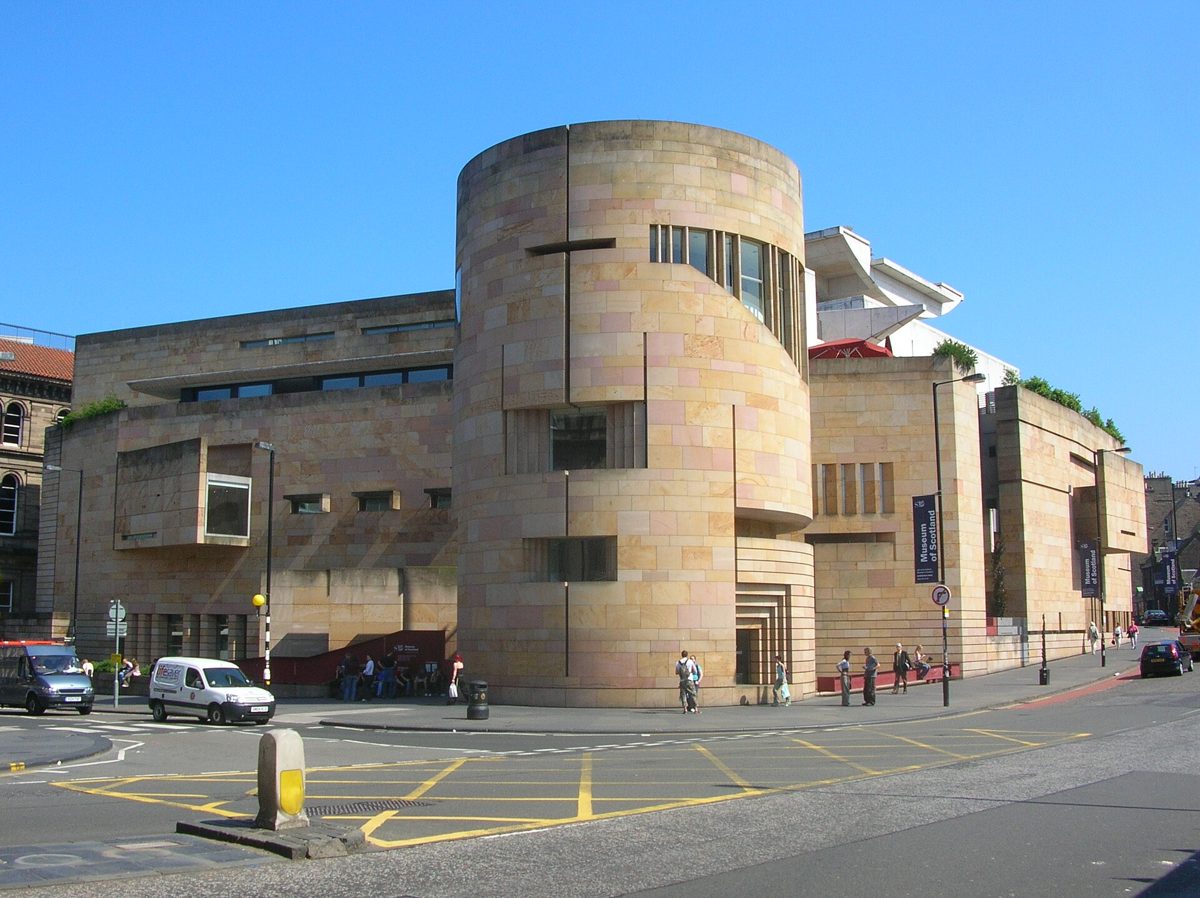
Edinburgh's landscape is dotted with monuments and places that directly inspired or are associated with significant literary works and figures. Scott Monument: Dominating Princes Street Gardens, the Scott Monument is a towering Gothic spire dedicated to Sir Walter Scott, author of "Waverley" and "Ivanhoe." It is one of the largest monuments to a writer in the world. Visitors can climb its narrow staircases to various viewing platforms, gaining unique perspectives of the city and a sense of the scale of Scott's influence. Its intricate design features numerous figures from his novels, including characters from "Ivanhoe" and "Rob Roy," carved into its stone, inviting visitors to identify their favorites. Greyfriars Kirkyard: This historic graveyard, near Candlemaker Row, holds a special place in the hearts of Harry Potter fans. J.K. Rowling famously found inspiration for character names among its headstones, with names like 'McGonagall' (Professor Minerva McGonagall), 'Moodie' (Alastor 'Mad-Eye' Moody), and 'Thomas Riddell' (Lord Voldemort's birth name) appearing on graves. The atmospheric kirkyard, with its ancient stones and views of Edinburgh Castle, also houses the grave of 'Greyfriars Bobby,' the loyal terrier, a subject of numerous books and films, including the 1961 Disney movie. Deacon Brodie's Tavern: On the Royal Mile, this pub commemorates William Brodie, a respectable Edinburgh councilor and cabinet maker by day, who led a secret life as a notorious burglar and gambler by night. Brodie's double life directly inspired Robert Louis Stevenson's classic novella, "The Strange Case of Dr. Jekyll and Mr. Hyde," exploring themes of duality and hidden identities. The tavern serves as a vivid reminder of Edinburgh's darker historical tales and its capacity to spark imaginative narratives, reflecting the city's own complex character. Edinburgh Castle: Perched majestically on Castle Rock, Edinburgh Castle is not just a historical fortress; it has featured in countless stories, poems, and plays. Its dramatic presence has inspired writers for centuries, serving as a backdrop for historical novels like those by Sir Walter Scott, a symbol of Scottish identity, and a setting for tales of royalty, intrigue, and conflict, including those involving Mary Queen of Scots, a figure central to many literary works and plays. National Museum of Scotland: While not exclusively a literary site, the National Museum of Scotland on Chambers Street offers crucial context for understanding Scottish writers and their eras. Its extensive collections on Scottish history, archaeology, and natural sciences display artifacts from the periods that shaped authors like Robert Burns, Sir Walter Scott, and Muriel Spark, helping to visualize the cultural and social landscapes that informed their work, from Enlightenment ideas to industrial change. The Royal Mile and Old Town Closes: The winding closes and narrow streets of the Royal Mile, the historic spine of Edinburgh's Old Town, also hold significant literary resonance. Robert Louis Stevenson, who grew up nearby, often explored these atmospheric alleys, which later became settings for his stories like "The Body-Snatcher," evoking a sense of mystery and hidden lives. Walking these ancient paths offers a direct connection to the city's literary past, feeling the same cobblestones Stevenson did.
Edinburgh's Literary Pulse - Festivals and Haunts
Edinburgh's literary life is not confined to static monuments; it pulses with vibrant events and active creative spaces. Edinburgh International Book Festival: Held annually in August in Charlotte Square Gardens, this festival is one of the largest and most prestigious literary events globally. It brings together hundreds of authors from across the world for readings, discussions, interviews, and book signings, covering genres from children's literature to political commentary. The festival transforms the square into a bustling literary village, offering a unique opportunity to engage directly with contemporary literature and its creators, fostering dialogue and critical thinking. The Fringe: Part of the wider Edinburgh Festival season in August, the Edinburgh Festival Fringe is the largest arts festival in the world. While multidisciplinary, it provides an enormous platform for spoken word performances, new playwriting, literary adaptations, and poetry slams, pushing boundaries of narrative. Many emerging writers and performers find their voice here, often experimenting with literary themes and narrative forms in innovative ways, underscoring Edinburgh's commitment to fostering new artistic expression. J.K. Rowling's Edinburgh Inspirations: The city holds a special allure for fans of the Harry Potter series. While some specific cafes where J.K. Rowling reportedly wrote early drafts, like The Elephant House or the former Nicolson's Cafe (now Spoon), have changed or faced challenges, the general atmosphere of Victoria Street, with its curving, colorful shops (often cited as an inspiration for Diagon Alley), and the grand architecture of George Heriot's School (said to be an inspiration for Hogwarts, with its four houses and turrets), continue to draw visitors. These sites offer a tangible connection to the creative spark behind one of the world's most beloved book series, illustrating how a city's environment can ignite imagination.
Edinburgh's literary heritage is not merely historical; it's a living, breathing part of the city's identity. From the quiet contemplation of a historic library to the bustling energy of a book festival, and from the shadowy closes of the Old Town to the vibrant independent bookshops, the city offers an endless narrative for every visitor. It continues to inspire new generations of writers and readers, solidifying its place as a truly unique literary capital.
Frequently asked questions
What makes Edinburgh a UNESCO City of Literature?
Edinburgh was designated the world's first UNESCO City of Literature in 2004 due to its deep literary heritage, its vibrant contemporary literary scene, and its commitment to fostering literature. This includes its numerous bookshops, libraries, writers' homes, its major international book festival, and the enduring legacy of authors like Robert Louis Stevenson and Sir Walter Scott. The designation recognizes the city's continuous engagement with the written word, reflecting its dedication to fostering creativity and literacy.
Which famous authors are most associated with Edinburgh?
Edinburgh has been home or inspiration to many literary giants. Key figures include Sir Walter Scott, Robert Louis Stevenson, Robert Burns, Sir Arthur Conan Doyle (creator of Sherlock Holmes), Muriel Spark (author of "The Prime of Miss Jean Brodie"), and J.K. Rowling (author of the Harry Potter series). These writers, among others, have significantly shaped Scottish and world literature, contributing to Edinburgh's reputation as a global literary hub.
Is there a self-guided "Harry Potter trail" in Edinburgh?
Yes, while there isn't an official trail, many visitors follow a popular unofficial route connecting sites believed to have inspired J.K. Rowling. This typically includes Greyfriars Kirkyard (for character names), Victoria Street (inspiration for Diagon Alley), George Heriot's School (resembling Hogwarts), and sometimes the cafes like The Elephant House or Spoon (formerly Nicolson's Cafe) where she reportedly wrote. These spots offer a fun way to connect with the magic of the books.
This is an independent member's guide compiled by Edinburgh Society. We are not affiliated with the venues and institutions mentioned; opening arrangements and programmes change - always confirm details on the official websites before making plans.
← Back to Events