Edinburgh parks and green spaces - a member's guide
Where Edinburgh goes outdoors: the parks worth crossing town for and when each is at its best.
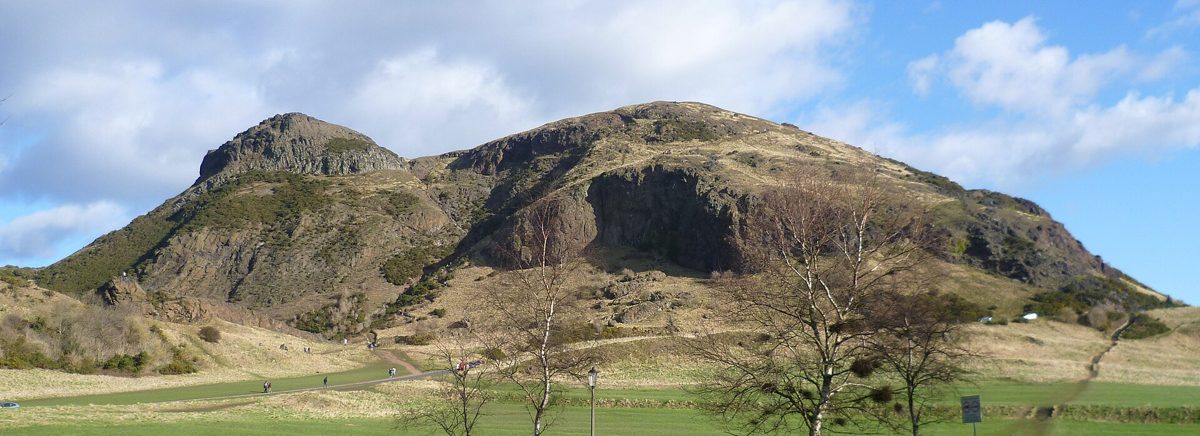
Edinburgh's green spaces offer diverse experiences, from ancient volcanic landscapes to meticulously cultivated gardens and coastal walks. These urban oases provide vital respite and recreation, seamlessly integrating nature into the city's historic fabric, inviting exploration year-round for locals and visitors alike.
Holyrood Park and Arthur's Seat
Holyrood Park, a Royal Park, presents a remarkably wild expanse of land right on the edge of Edinburgh's city centre. Dominated by Arthur's Seat, an extinct volcano and a distinctive "crag-and-tail" formation sculpted by glaciers, its character is rugged and untamed. This offers a dramatic contrast to the Georgian architecture nearby. The park encompasses a varied landscape of crags, moorland, lochs like Dunsapie and St Margaret's Loch, and ancient ruins, including the 15th-century St Anthony's Chapel. It feels less like a city park and more like a Highland landscape condensed into an urban setting, providing panoramic views that stretch across the city, the Firth of Forth, and towards the distant hills of Fife. Historically, figures like Mary Queen of Scots would ride here, using its wild terrain for recreation and escape.
This park is ideal for hiking, running, and escaping the urban environment for a few hours. Climbing Arthur's Seat rewards you with unparalleled 360-degree vistas. The distinctive Salisbury Crags offer a challenging scramble, or one can follow the historic Radical Road, a path built by unemployed weavers in 1820, which skirts the base of the crags. It is also excellent for wildlife spotting; red deer are often seen, particularly in the quieter parts of the park, along with various bird species. Historical walks, exploring the ruins or the remains of Bronze Age forts, offer a glimpse into Edinburgh's deep past. The various paths cater to different fitness levels, from a gentle stroll around the lochs to the strenuous ascent of the main peak.
Seasonal Notes: In spring, the gorse bushes explode in a vibrant yellow, filling the air with a coconut-like scent. Summer provides long daylight hours, perfect for evening hikes to catch the sunset over the city. Autumn transforms the park with rich, earthy colours, especially around the lochs. Winter brings a stark, often dramatic beauty, with frost or snow creating a memorable landscape, though paths can become very slippery, requiring appropriate footwear.
Insider Tip: For a less challenging but still incredibly rewarding experience, walk or drive up to Dunsapie Loch. From there, a gentle slope behind the loch offers excellent, expansive views of the city and beyond without requiring the full climb to Arthur's Seat's summit.
The Royal Botanic Garden Edinburgh
The Royal Botanic Garden Edinburgh, affectionately known as 'the Botanics' by locals, is a world-renowned scientific institution and a beautifully maintained public garden. Its character is one of serene beauty, meticulous curation, and educational depth. Founded in 1670 as a physic garden for medicinal plants, it has grown significantly. Spanning 70 acres, it showcases an astonishing diversity of plant life from across the globe, arranged into distinct geographical and thematic zones. From the grandeur of the Victorian Palm House (home to species like the giant water lily Victoria amazonica and occasionally the rare Amorphophallus titanum or 'Titan Arum' when it blooms) to the tranquility of the Chinese Hillside (the largest collection of Chinese plants outside China) and the vibrant Rock Garden, it offers a journey through botanical wonders, designed for both scientific study and public enjoyment. Esteemed Regius Keepers like Sir Isaac Bayley Balfour have shaped its global reputation.
This garden is best for leisurely strolls, botanical exploration, and finding a peaceful retreat from the city's hustle. It is a photographer's paradise, offering endless subjects from delicate blossoms to ancient trees. Picnics on the vast lawns are popular in warmer months, and the opportunity to learn about plant conservation and biodiversity is ever-present through its informative displays. The Botanics actively contributes to global plant conservation, researching endangered species and educating the public. It is a place for quiet contemplation, study, and appreciating the sheer variety of the natural world.
Seasonal Notes: Spring is spectacular, with magnolias, rhododendrons (especially in the Rhododendron Walk), and cherry blossoms creating a riot of colour. Summer sees the herbaceous borders at their peak, bursting with vibrant blooms. Autumn brings a stunning display of foliage, particularly in the Chinese Hillside and the Arboretum. Even in winter, the garden offers stark beauty, camellias in bloom, and the welcome warmth of the glasshouses, which remain a verdant escape.
Insider Tip: Seek out the Queen Mother's Memorial Garden. Tucked away near the Inverleith Row entrance, it is a beautifully designed, secluded space that offers a particularly tranquil experience, often overlooked by those heading directly to the main glasshouses.
Princes Street Gardens
Princes Street Gardens are Edinburgh's iconic central green space, dramatically separating the Old Town's medieval grandeur from the elegant Georgian New Town. Its character is distinctly urban and historic, acting as a vibrant public plaza and a tranquil retreat simultaneously. Created from the drained Nor Loch in the early 19th century, the gardens are dominated by the imposing presence of Edinburgh Castle perched on its volcanic rock above. They are a mosaic of lush green lawns, colourful floral displays, and significant memorials, most notably the towering Gothic Scott Monument. Designed by George Meikle Kemp and completed in 1844, this monument dedicated to Sir Walter Scott stands over 200 feet tall, offering 287 steps to its summit for panoramic views. The ornate Ross Fountain, a French cast-iron creation displayed at the 1862 Great Exhibition, adds another layer of artistic heritage. It is a place where history, nature, and city life converge.
These gardens are best for relaxing after shopping on Princes Street, enjoying unparalleled views of Edinburgh Castle, and people-watching. They serve as a popular picnic spot, a convenient thoroughfare between different parts of the city, and a venue for various events, from summer concerts (like the Edinburgh Summer Sessions) to the festive Christmas Market and the spectacular Hogmanay Concert in the Gardens. Statues of notable figures such as explorer David Livingstone and publisher Adam Black dot the landscape. The well-maintained paths are suitable for gentle strolls, and the numerous benches offer perfect vantage points for soaking in the atmosphere.
Seasonal Notes: Spring sees the gardens burst into life with daffodils, crocuses, and early blossom. Summer is the peak season, with vibrant floral displays, sunbathers on the lawns, and outdoor events. Autumn brings a golden palette to the trees, creating beautiful contrasts with the historic stone. In winter, the gardens host the city's popular Christmas Market and often an ice rink, transforming into a festive wonderland.
Insider Tip: For a classic photo opportunity that captures both the historic Ross Fountain and Edinburgh Castle in one frame, position yourself near the fountain itself, especially at dusk when the Castle is beautifully illuminated.
Inverleith Park
Inverleith Park is a substantial, open, and community-focused green space located directly across from the Royal Botanic Garden Edinburgh. Its character is one of expansive openness, offering a clear sense of freedom and space within the city. Conceived in Victorian Edinburgh as a public recreation ground, it features large grassy areas, dedicated sports pitches, children's play parks, and a picturesque pond. It provides a vital recreational hub for local residents and visitors alike. The park also boasts excellent, unobstructed views of the Edinburgh skyline, including Arthur's Seat and the Castle, framed by the city's distinctive architecture. The Inverleith Park War Memorial stands as a poignant reminder of local sacrifice.
This park is best for active pursuits such as jogging, dog walking, and informal sports like football, frisbee, or rugby. Local clubs, including Edinburgh Accies Rugby Club, often train on its pitches. It is a favourite for family outings, with ample space for children to run freely and well-equipped playgrounds. The pond attracts various waterfowl, providing a peaceful spot for observation; mute swans, coots, and tufted ducks are common sightings. Its proximity to the Botanics means it often serves as an extension for those seeking more open space after exploring the formal gardens, perhaps enjoying the community allotments nearby.
Seasonal Notes: Inverleith Park is particularly popular in spring and summer, when the weather invites sports, picnics, and outdoor gatherings. Autumn offers pleasant walking conditions with the changing colours of the surrounding trees. Winter can be brisk and invigorating, perfect for a bracing walk, often with crisp frosty mornings and the chance of ice skating on the pond if conditions allow.
Insider Tip: The park's pond is a haven for local birdlife. Bringing some appropriate birdseed (avoiding bread, which is harmful) can offer a quiet, engaging moment watching the ducks, swans, and geese.
Portobello Beach
Portobello Beach offers Edinburgh a distinct seaside experience, a refreshing change from the city's historic stone. Its character is that of a traditional British seaside town, albeit one seamlessly integrated into the capital. Historically a popular Victorian seaside resort, the long, sandy beach stretches for over a mile, backed by a vibrant promenade lined with cafes, ice cream parlours (like Miro's), and independent shops (such as The Espy for food and drink). It exudes a relaxed, community-focused atmosphere, a place where urban life meets the invigorating sea air of the Firth of Forth. The Portobello Swim Centre, a historic Victorian pool, continues to operate, offering a unique indoor swimming experience.
Portobello Beach is best for beach walks, cycling along the promenade, and enjoying classic seaside activities. While sea swimming is popular with locals, even a paddle on a warm day is refreshing. Activities like paddleboarding and kayaking are common on calm days. It is an excellent spot for families, with plenty of space for children to play in the sand, a skate park, and beach volleyball courts. Watching the sunrise over the Firth of Forth is a particularly memorable experience, and the promenade offers a pleasant route for a stroll with fish and chips. Wildlife such as various seabirds and even occasional seals can be spotted in the Firth. The area also hosts community events like the annual "Big Beach Busk" and "ArtWalk Porty."
Seasonal Notes: In summer, the beach is lively with sunbathers, swimmers, and families enjoying the warmer weather. Spring and autumn are ideal for quieter, longer walks, offering crisp air and often dramatic skies. Winter provides a bracing coastal experience, perfect for blowing away the cobwebs, with the possibility of stunning, moody seascapes.
Insider Tip: For a quieter stretch of beach and excellent views back towards the city and the Fife coast, walk east along the promenade past the main bustling area towards Joppa. This section is often less crowded and offers a more serene coastal experience.
Frequently asked questions
How accessible are Edinburgh's green spaces for those with mobility issues?
Princes Street Gardens and the Royal Botanic Garden Edinburgh generally offer well-maintained, flat paths and accessible routes, particularly within their main areas. Holyrood Park has varied terrain; while some routes around Dunsapie Loch are relatively accessible, the ascent to Arthur's Seat is challenging and unsuitable for wheelchairs or those with significant mobility impairments. Inverleith Park is largely flat and easy to navigate. Portobello Beach's promenade is fully accessible, though accessing the sandy beach itself can be difficult for some.
Are dogs allowed in all these parks and green spaces?
Dogs are generally welcome in Holyrood Park, Inverleith Park, and Portobello Beach, usually off-leash in designated areas but always expected to be under control. In Princes Street Gardens, they are permitted on leash. The Royal Botanic Garden Edinburgh has specific rules: typically, only assistance dogs are allowed inside the main garden grounds, though there might be exceptions for specific paths or during certain events, so checking their current guidelines beforehand is always advisable.
What's the best way to get to these locations using public transport?
Most of Edinburgh's green spaces are well-served by Lothian Buses, the city's public transport network. Princes Street Gardens are centrally located and easily walkable from many parts of the city centre. Holyrood Park is a short walk from the Royal Mile and can be reached by various bus routes stopping near the Palace of Holyroodhouse (e.g., numbers 35, 36). The Royal Botanic Garden and Inverleith Park are accessible via buses from the city centre, such as numbers 23 and 27. Portobello Beach has frequent bus services, including numbers 15, 26, and 45, running directly to the promenade from the city centre.
This is an independent member's guide compiled by Edinburgh Society. We are not affiliated with the venues and institutions mentioned; opening arrangements and programmes change - always confirm details on the official websites before making plans.
← Back to Events